Make shopping responsible
Making it easier to find products aligned with people's environmental, social, and ethical values, both in physical stores and online.

Why this matters
Responsible consumption is often framed as a matter of personal choice. Our work starts from a different premise: it is also an information and communication problem. In 2022, Danish consumption-based emissions reached 64 million tonnes CO2e, exceeding territorial emissions of 42 million tonnes. Much of the impact of everyday consumption sits in products and supply chains people do not directly see. Yet information about environmental impact, labour conditions, sourcing, repairability, and governance is often fragmented, technical, hard to compare, or obscured by greenwashing. When trustworthy evidence is missing, buried, or badly communicated, price and convenience win by default.
This is why this website exists.
Problem space
-
The intention-behavior gap
People may endorse responsible consumption in principle, yet struggle to carry those priorities into actual product searches and purchase decisions.
-
The information problem
Consumers are often asked to make responsible decisions without access to the same evidence that sellers, producers, and platforms already have.
-
The communication problem
Responsible-product information is often provided as if more facts alone should change behavior, even when people cannot interpret or apply those facts in a real purchase context.
Our approach
Our work asks a simple question: how can social, environmental, and ethical aspects become part of real shopping decisions?
As a communication problem, we study how this kind of information can be presented in ways that make it more relevant and usable when people compare, choose, and buy, for example through online shopping assistants and in-store concepts.
As an information problem: before this information can be shown well, it has to exist in a usable form. We map what is missing, hard to find, or hard to compare, and develop tools for extracting and structuring evidence so it can be made available through the wider shopping ecosystem, including your favorite retailer.
Our aim is not to tell people what to buy. It is to support more informed, value-sensitive shopping.
Extends to the physical shop
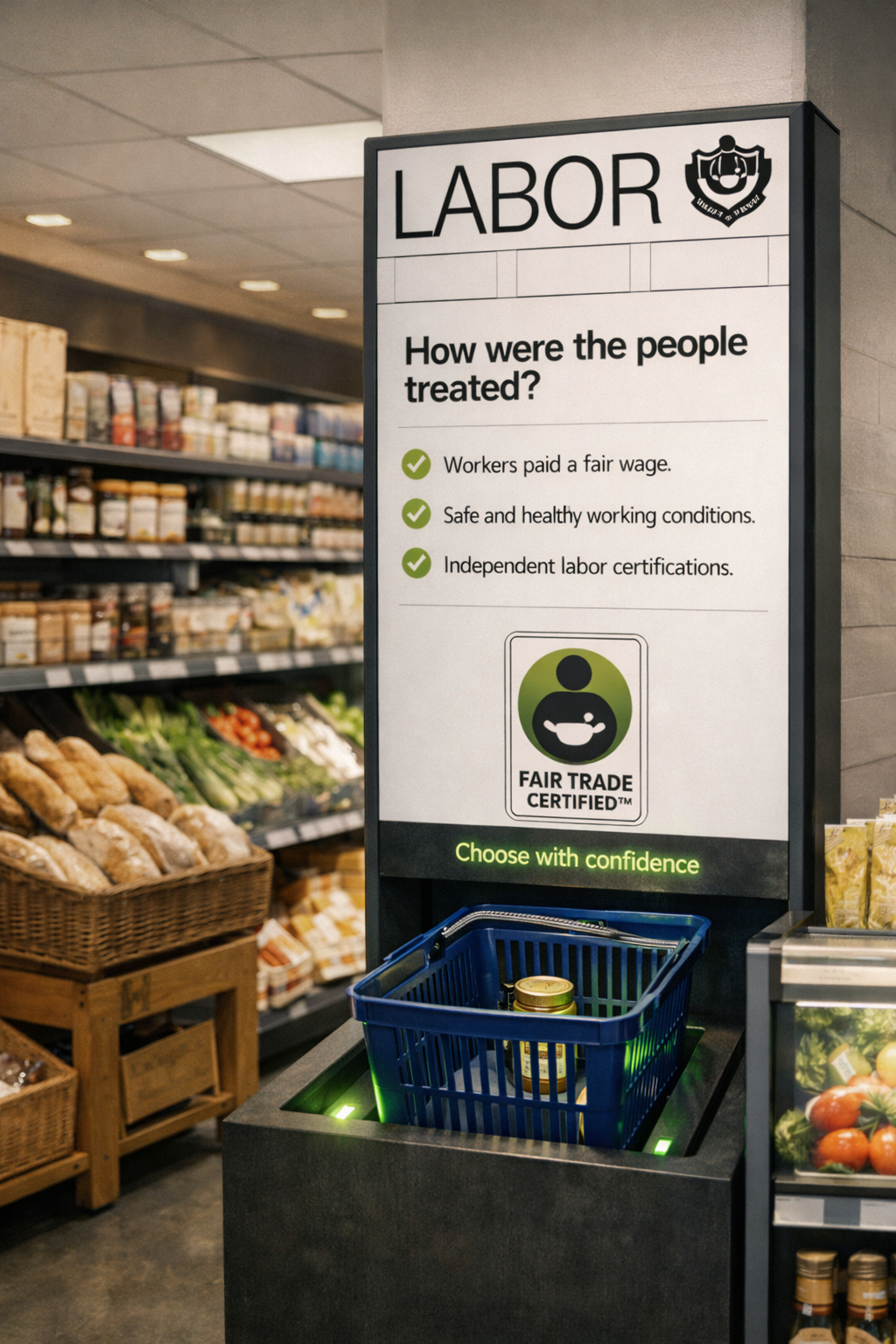
Responsible shopping is not only an online search problem. Leon Junge’s Beyond Transparency prototype explores how ethical preferences and product information can become part of the shopping act itself through immediate feedback and short explanations at the point of choice.
"Responsible shopping should not require expert-level research."

Why this matters for competitiveness
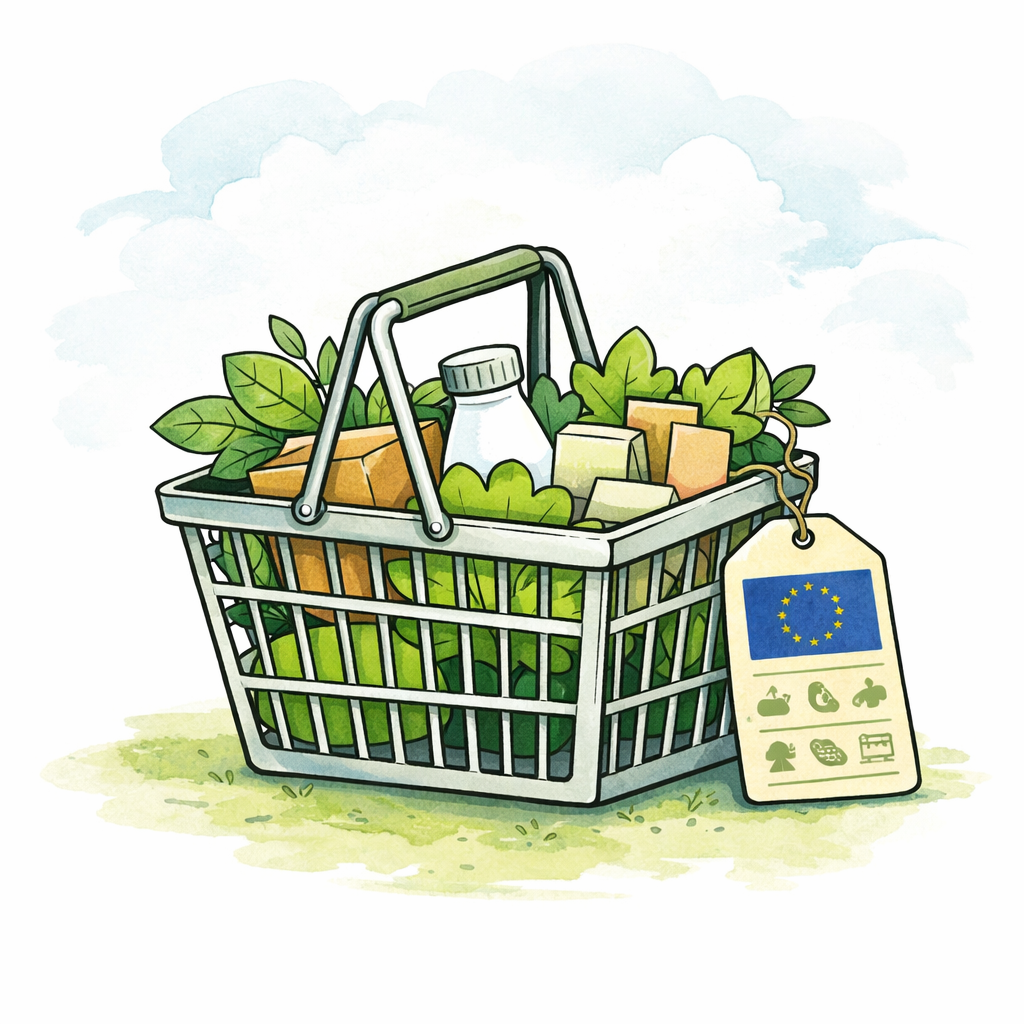
Better product information is not only good for consumers. It can also help retailers and digital services stand out through transparency. In a market shaped by large platforms, Europe has an interest in building digital services that reflect its own standards around sustainability, fairness, and transparency. Making responsible product information easier to use can therefore support both informed choice and fairer competition.
Featured reading
Selected work connected to the three core problems this initiative addresses.
About the initiative
Responsible Product Search is a public-interest research initiative started by Leif Azzopardi (Strathclyde University, Glasgow, United Kingdom) and Frans van der Sluis (University of Copenhagen, Denmark). We bring together information retrieval, communication, human behavior, and sustainability-oriented consumer research to study how responsible choices can become more feasible in everyday shopping and retail environments.

Open invitation for collaboration and partnerships
Responsible Product Search is actively looking for collaborators and partners. We welcome conversations with researchers, designers, retailers, public-interest organisations, and others interested in making social, environmental, and ethical product information easier to find, communicate, and use.
To explore collaboration, partnerships, or pilot opportunities, get in touch at contact@responsibleproductsearch.org.